
How Can I Create My Own Web Application?

How Can I Create My Own Web Application?


Custom web applications are tailor-made software solutions designed to address specific business needs or requirements. Unlike off-the-shelf software, custom web applications are built from scratch to provide unique features and functionalities that are precisely aligned with the client’s objectives. Here’s an overview of custom web applications:

1. Requirements Analysis:

The process begins with a thorough understanding of the client’s business goals, workflows, and challenges. Developers collaborate closely with stakeholders to gather requirements, identify pain points, and define the scope of the project.


2. Design and Prototyping:

Once requirements are gathered, designers create wireframes and prototypes to visualize the user interface (UI) and user experience (UX) of the web application. This stage involves creating mockups, defining navigation flows, and ensuring intuitive usability.

3. Development:

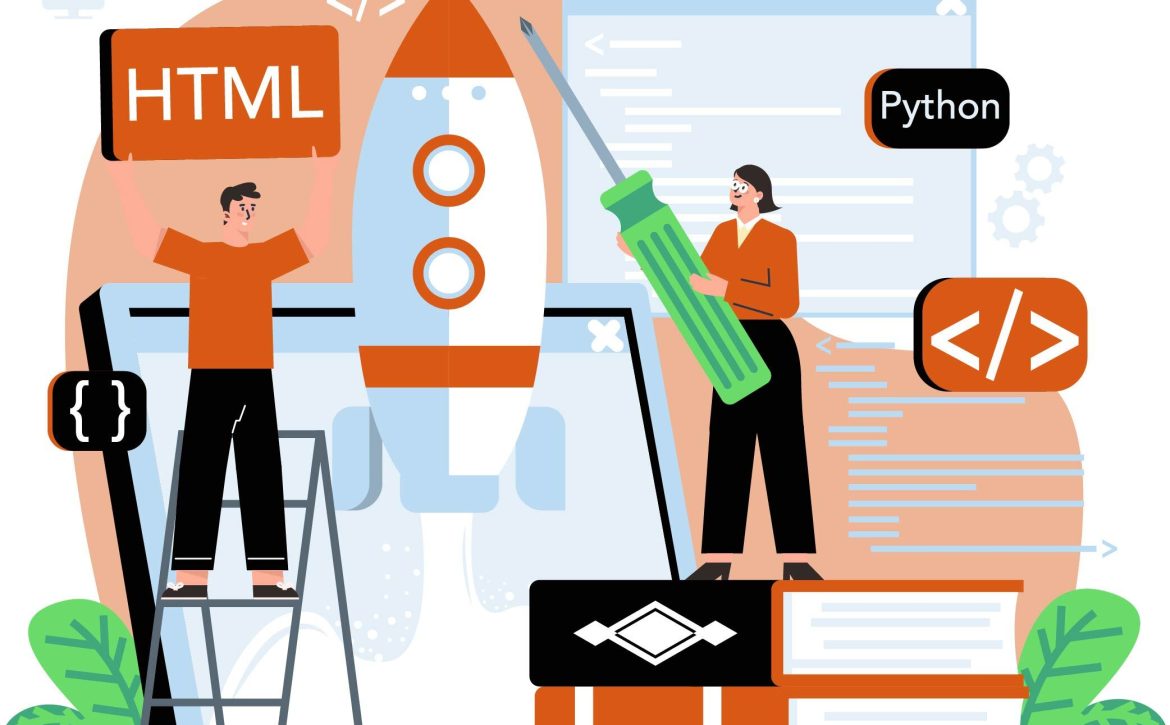
Developers use programming languages, frameworks, and libraries to build the core functionality of the web application. Depending on the project requirements, frontend technologies like HTML, CSS, and JavaScript are used for the client-side interface, while backend technologies like Python, Ruby, PHP, Java, or Node.js handle server-side logic, database interactions, and business processes.

4. Database Design and Implementation:

A database is designed and implemented to store and manage the application’s data efficiently. Developers select appropriate database management systems (DBMS) such as MySQL, PostgreSQL, MongoDB, or SQL Server and design database schemas that meet the application’s data storage and retrieval needs.

5. Integration of Third-Party Services:

Custom web applications often need to integrate with external services, APIs, or platforms to extend functionality or leverage existing resources. Developers implement API integrations, authentication mechanisms, and data exchange protocols to facilitate seamless communication between the web application and external systems.

6. Testing and Quality Assurance:

Rigorous testing is conducted throughout the development process to identify and address bugs, errors, and usability issues. Quality assurance (QA) engineers perform functional testing, compatibility testing, performance testing, and security testing to ensure that the web application meets quality standards and performs reliably.

7. Deployment and Maintenance:

Once development and testing are complete, the web application is deployed to a production environment where it is made accessible to users. Ongoing maintenance and support services are provided to address updates, enhancements, security patches, and technical issues, ensuring the long-term stability and scalability of the custom web application.

Custom web applications offer several advantages, including tailored functionality, scalability, flexibility, and enhanced security. They empower businesses to streamline operations, improve productivity, and gain a competitive edge in the digital landscape.

We Are Here to Help!

If you have any concerns regarding your order, please feel free to Contact Us.

Read More

Full-Stack Website Development Services

Full-Stack Website Development Services


Web development services encompass a variety of offerings aimed at creating, maintaining, and enhancing websites and web applications. Here are some key services typically provided by web development companies:

1. Custom Website Development:

Building bespoke websites tailored to the specific needs and preferences of clients. This includes creating unique designs, implementing functionality, and ensuring a seamless user experience.

2. e-Commerce Development:

Developing online stores and digital commerce platforms that enable businesses to sell products and services online. This involves integrating payment gateways, managing product catalogs, and optimizing for conversion.

3. Content Management System (CMS) Development:

Designing and developing custom CMS solutions or customizing existing CMS platforms like WordPress, Joomla, or Drupal. This allows clients to manage website content easily without extensive technical knowledge.

4. Web Application Development:

Creating dynamic web applications with advanced functionality and interactivity. This may include building customer relationship management (CRM) systems, project management tools, or other specialized applications.

5. Mobile App Development:

Mobile applications development that complements web-based services or stand-alone mobile solutions. This includes native app development for iOS and Android platforms, as well as cross-platform app development using frameworks like React Native or Flutter.

Full-Stack Website Development Services Web development services

6. Responsive Web Design:

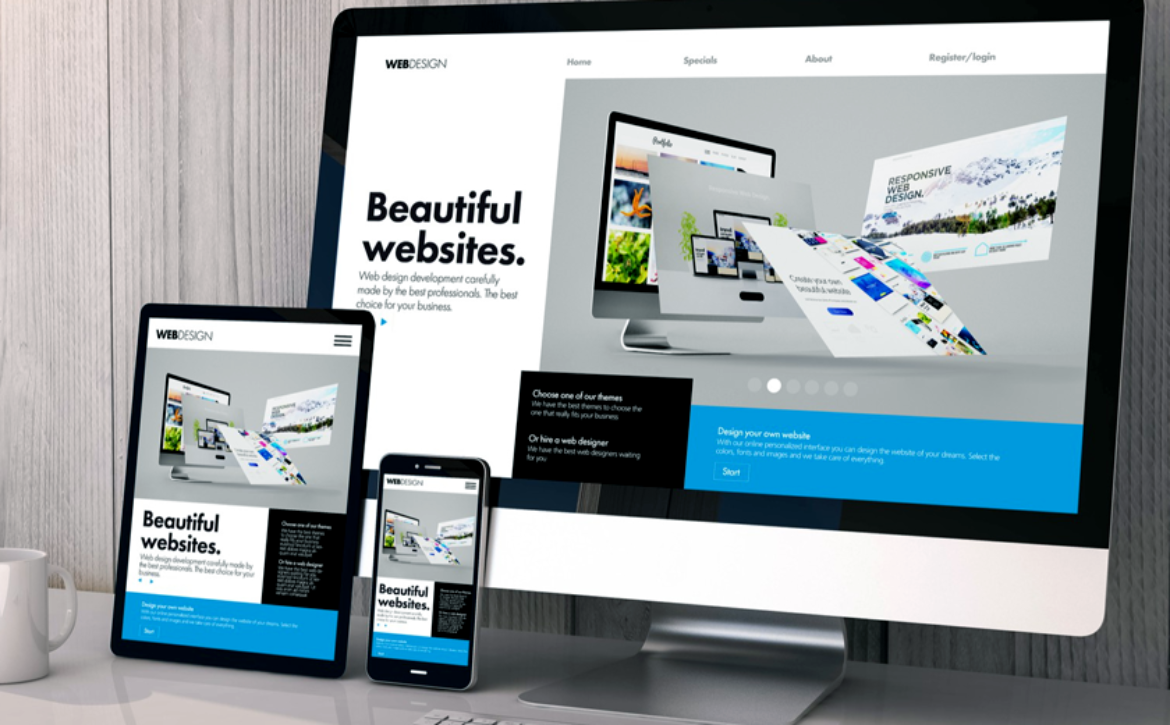
Ensuring that websites are optimized for viewing across various devices and screen sizes, including desktops, laptops, tablets, and smartphones. This involves using flexible layouts, fluid grids, and media queries to adapt the design to different viewing environments.

7. Website Maintenance and Support:

Providing ongoing maintenance, updates, and technical support for websites and web applications. This includes monitoring performance, fixing bugs, applying security patches, and implementing new features or enhancements.

8. Search Engine Optimization (SEO):

SEO Optimizing websites for better visibility and ranking in search engine results pages (SERPs). This involves keyword research, on-page optimization, link building, and other strategies to improve organic traffic and online visibility.

9. Web Hosting and Domain Registration:

Offering hosting services and assisting clients with domain registration and management. This ensures reliable website hosting and helps clients establish their online presence.

10. Consulting and Strategy:

Providing strategic guidance and consulting services to help clients define their digital goals, identify opportunities, and develop effective web strategies. This may include market research, competitor analysis, and recommendations for technology adoption and implementation.

We Are Here to Help!

If you have any concerns regarding your order, please feel free to Contact Us.
Read More

What is Magento Development Agency?

What is Magento Development Agency?


Magento development services specialize in building, customizing, and maintaining e-commerce websites using the Magento platform. Magento is a powerful and highly customizable e-commerce platform known for its scalability, flexibility, and rich feature set. Here’s an overview of the Magento development services typically offered:

1. Custom Magento Website Development:

Magento developers create bespoke e-commerce websites tailored to the specific needs and requirements of businesses. They design and develop custom themes, templates, and extensions to create unique storefronts that align with the brand identity and provide seamless user experiences.

1. Custom Magento Website Development:

Developers build custom extensions or modules to extend the functionality of Magento websites. These extensions add new features, enhance existing functionalities, and integrate with third-party services or systems. Common Magento extensions include payment gateways, shipping methods, product configurators, and marketing tools.

3. Magento Theme Customization:

Designers customize Magento themes to create visually appealing and user-friendly storefronts. They modify the layout, typography, colors, and branding elements to match the client’s brand identity and create a cohesive user experience across the website.

4. Migration to Magento:

Developers assist businesses in migrating their existing e-commerce platforms to Magento. Whether migrating from another e-commerce platform or upgrading from an older version of Magento, developers ensure a smooth transition, preserving data integrity, SEO rankings, and functionality while minimizing downtime.

5. Magento Integration Services:

Developers integrate Magento with third-party systems, services, and APIs to streamline business operations and enhance e-commerce capabilities. This includes integrating with payment gateways, shipping carriers, ERP systems, CRM platforms, inventory management systems, and marketing automation tools.

6. Magento Performance Optimization:

Developers optimize Magento websites for speed, performance, and scalability to ensure fast page load times, smooth user experiences, and support for high traffic volumes. This involves optimizing code, minimizing HTTP requests, implementing caching mechanisms, and optimizing server configurations.

7. Magento Security Audits and Hardening:

Security experts conduct comprehensive audits of Magento websites to identify vulnerabilities, security risks, and compliance issues. They implement security best practices, such as securing server configurations, applying patches and updates, implementing firewalls, and monitoring for suspicious activities.

8. Magento Support and Maintenance:

Developers provide ongoing support and maintenance services to keep Magento websites running smoothly. This includes monitoring performance, applying security patches and updates, resolving technical issues, and providing assistance with day-to-day website management tasks.

9. Magento Upgrades and Version Updates:

Developers assist businesses in upgrading to the latest version of Magento to take advantage of new features, performance improvements, and security enhancements. They ensure a smooth upgrade process, including data migration, extension compatibility testing, and post-upgrade support.

10. Magento SEO Services:

SEO specialists optimize Magento websites for better search engine visibility and rankings. This includes keyword research, on-page optimization, metadata optimization, site speed optimization, mobile-friendliness, and implementing SEO best practices to attract organic traffic.

We Are Here to Help!

If you have any concerns regarding your order, please feel free to Contact Us.

Read More

What is e-Commerce Web Design?

What is e-Commerce Web Design?


When it comes to building an e-commerce website, there are a few crucial factors to consider. Your website should be aesthetically appealing, easy to browse, and search engine optimized. Here are some pointers for creating an e-commerce website:

Maintain Simplicity:

Users may become overwhelmed by a crowded website. Maintain a basic and easy-to-navigate design. To assist people around the website, utilize clear headers, menus, and buttons.

Make it Mobile-Friendly:

As more consumers use mobile devices to purchase online, it’s critical that your website is mobile-friendly. Check that the design is responsive and appears well on various screen sizes.

Use High-Quality Photos:

Product photographs are an essential component of every e-commerce website. Use high-quality photos that show off the items to their greatest advantage.

What-is-Most-Top-e-Commerce-Service

Include Social Proof:

Including customer evaluations, ratings, and testimonials may assist potential consumers create trust and urge them to buy.

Optimize for Search Engines:

Ensure that your website is search engine optimized by employing relevant keywords, optimizing product pages, and providing high-quality content.

Make it Simple to Checkout:

The checkout procedure should be simple and straightforward. Use a clean and concise checkout page with simple processes.

E-commerce web design is the process of designing a website that allows consumers and sellers to conduct online transactions. The design of an e-commerce website is critical for attracting and maintaining consumers since it affects the user experience and the overall performance of the online business.

An e-commerce website should be built with the user in mind. The design should be easy to use, navigate, and visually appealing. Customers should be able to swiftly and easily locate what they are looking for. The design should also be responsive, which means it should adapt to any device, such as smartphones, tablets, and desktop computers.

The layout is one of the most significant parts of e-commerce site design. The design should be straightforward and intuitive, with simple menus and obvious call-to-action buttons. These features should be strategically placed to guide the user through the purchasing process and encourage them to complete the transaction.

Product presentation is another critical part of e-commerce site design. Products should be aesthetically appealing, with high-quality photos and thorough descriptions. Customers should be able to zoom in on details and examine several product photos from various perspectives. Product sites should also feature reviews from previous consumers, since this may assist potential purchasers create confidence and trustworthiness.

E-commerce site design must also take security into account. Customers need to feel safe and secure while making online transactions, thus the website should employ SSL encryption to safeguard sensitive information like credit card numbers. The website should also have a secure payment gateway and a simplified and user-friendly checkout procedure.

Another essential factor in e-commerce site design is search engine optimization (SEO). To assist potential buyers, locate the website, it should be optimized for search engines. This includes include important keywords in website content, optimizing the website structure, and making sure the page loads quickly.

Finally, e-commerce site design should priorities consumer trust and trustworthiness. This may be accomplished by showing security badges and trust seals, as well as offering a clear return policy. A professional-looking website that represents the brand’s image and values is also essential.

E-commerce site design is an essential part of any online business. The design should be simple to use, visually appealing, and safe. It should also be searching engine optimized, with a focus on establishing trust and trustworthiness with clients. With these features in place, an e-commerce website may attract and keep customers, increase revenue, and contribute to the online business’s success.

We Are Here to Help!

If you have any concern regarding your order, please feel free to Contact Us .

Read More

How Can I Design a Website in WordPress?

How Can I Design a Website in WordPress?


WordPress is an easy-to-use content management system (CMS) that allows you to effortlessly construct websites without any technical skills. Here are some basic steps for creating a WordPress website. Select a domain name and web hosting provider choose a domain name that represents your brand and a reputable web hosting company.

Install WordPress:

Once you’ve decided on a web hosting provider, install WordPress from your hosting account control panel.

Choose a Theme: Choose a theme that meets your company needs and is simple to use. Customize your theme by including your brand logo, modifying the color palette, and adding content. Add material to your website, such as text, photographs, and videos.

Test and Launch:

Thoroughly test your website to confirm that everything works properly, and then publish it to the public

After you’ve completed creating your website, you need extensively test it to ensure that it works properly. You may use a website testing tool to check for problems and ensure that your website is search engine optimized. You may launch your website and begin advertising it to your target audience after you are pleased with it.

WordPress website design is a basic and uncomplicated procedure. You may design a professional-looking website that matches your needs and specifications by following these steps. Remember to select an appropriate domain name and web hosting provider, as well as to install necessary plugins, customize your website, and add functionality using plugins. You can construct a website that attracts visitors, promotes your brand, and produces business outcomes with little time and effort.

Creating a website in WordPress has various advantages for both organizations and individuals. The following are some of the primary advantages of utilizing WordPress for website design:

WordPress-Development-Services

User-Friendly:

WordPress is simple to use, even for those with no coding experience. Its user-friendly interface makes adding and editing material, creating pages, and customizing your website a breeze. WordPress has dozens of free and paid themes and plugins that may be used to customize your website. This enables you to create a distinct look and feel for your website that is consistent with your brand identity.

WordPress is SEO-friendly, which means that it is optimized for search engines. It includes SEO plugins and Meta tags, among other features that can assist boost your website’s search engine rating.

Most WordPress themes are mobile-responsive, which means they adjust to different screen widths. This is critical as more people access websites via mobile devices. WordPress is safe, and there are several security plugins available to assist protect your website from malware and hacking attempts. It also delivers frequent updates to protect the security of your website.

WordPress is very scalable, and it can manage websites of various kinds, from small blogs to massive e-commerce sites with thousands of goods. WordPress is inexpensive, especially for small organizations or individuals on a tight budget. Many themes and plugins are free or inexpensive, which may help you save money on website design and development. WordPress has a big and active community of developers and users that give assistance and advice on a variety of website design and development concerns.

We Are Here to Help!

If you have any concern regarding your order, please feel free to Contact Us.

Read More

What is Amazon SEO Service?

What Is Amazon SEO Services?


Amazon has become a go-to platform for online buying in the modern digital era. With multitudes of different goods for sale, merchants may find it difficult to stand out and get their products recognized by prospective consumers. This is where Amazon SEO Services may help. In this post, we will explain Amazon SEO services and demonstrate how they may assist merchants in increasing their visibility on the marketplace.

Amazon SEO Services include optimizing several areas of merchandise being listed, such as the heading, description, bullet points, and back-end keywords. These variables are essential for appearing better in Amazon search results, which may contribute to increased revenues. Keyword study constitutes the very first step in Amazon SEO. This entails determining the keywords and phrases that buyers use when searching for items in a particular group of products. After identifying the suitable keywords, they can be used to optimize the item’s listings.

Among the greatest vital elements of Amazon SEO is brand title optimization. The item’s description ought to be brief, descriptive, and include the item’s most applicable characteristics. The first 80-100 letters of the keyword are of the utmost importance because they’re what customers see in search results. Incorporating the brand name, product name, and relevant keywords into the title can assist it rank higher in search engine outcomes.

A further significant component of Amazon SEO is the item summary. The description should be detailed and informative, outlining the item’s primary characteristics and advantages. In order to boost the website’s search exposure, it ought to incorporate keywords that are pertinent. Incorporating outstanding photos and videos may additionally increase the public’s awareness of what is being sold as well as its attraction among prospective purchasers.

What-Is-Amazon-SEO-Services

Back-end keywords are hidden keywords that are not visible to customers but are utilized for positioning items by Amazon’s search algorithm. These keywords ought to be product-related and serve alongside the core keyword in the title and description. From the server side, including relevant and high-traffic keywords might increase the item’s research exposure.

Numerous other variables, in addition to these optimization strategies, can influence an item’s exposure on Amazon. Product reviews, ratings, and sales history are examples of this. Asking clients to give reviews and ratings can assist increase the public’s awareness and trustworthiness of an item? Using Amazon’s marketing network to promote an item is another way to raise its visibility and drive sales.

Finally, Amazon SEO Services are critical for merchants looking to enhance the visibility and sales on the marketplace. Vendors can increase their likelihood of getting noticed by prospective consumers through optimizing product listings with relevant and high-traffic keywords. Amazon SEO Services includes carrying out keyword research, optimizing the product title and description, and integrating the background keywords.

Product reviews, ratings, and sales history can all have an influence on an item’s exposure and performance on the social network. Entrepreneurs may boost their visibility, drive sales, and build their company’s reputation on Amazon through the use of efficient Amazon SEO methods.

We Are Here to Help!

If you have any concern regarding your order, please feel free to Contact Us.

Read More

Can I Customize My Own Website?

Can I Customize my Own Website?


A website is crucial in today’s digital world for every individual or organization. A website represents your brand online and may be used to engage with consumers, display products or services, and develop reputation. However, the question of whether you can customize your own website emerges. Yes, it is a tremendous yes! Website builders have made it easier than ever to construct and customize your website. Wax, Squarespace, and WordPress website builders enable users to construct a professional-looking website without knowing how to code.

These website builders provide a selection of configurable themes from which to choose and then customize based on your needs. The templates are tailored to certain sectors, so you can simply pick one that meets your business or personal requirements.

Can-I-Customize-my-Own-Website

After you’ve chosen a template, you may customize it with drag-and-drop functionality. This means that you can easily drag and drop items like text, photos, and videos onto your website and place them anywhere you like. To make your website stand out, you may alter the color scheme, font styles, and add your own photographs or videos. Another excellent feature of website builders is the ability to add functionality to your website via plugins. Plugins are little bits of software that add features like contact forms, social network integration, and e-commerce capabilities to your website.

However, if you want total control over your website and have the necessary technical abilities, you may build it from the ground up using coding languages such as HTML, CSS, and JavaScript. This method has a steep learning curve, but it allows you total control over the look and functioning of your website.

You may easily customize your own website, whether you’re a business owner or an individual. You may develop a professional-looking website using website builders without knowing how to code. You may even build your own website from scratch if you have technical expertise. Whatever route you take, having a website is critical in today’s digital world, and customization is crucial for separating out from the crowd.

We Are Here to Help!

If you have any concern regarding your order, please feel free to Contact Us.

Read More

What Are 8 Types of Graphic Design?

What Are 8 Type of Graphics Design?


A wide range of design styles are included in the discipline of graphic design. Each form of graphic design has its own distinct traits, methods, and uses. We will look at eight different forms of graphic design in this post.

Designing a Brand

Designing visual components such as logos, color programs, and typeface that reflect a business or organization is known as rebranding development. The goal of brand architects is to produce a unified and enduring visual brand identity that faithfully captures the essence and character of the business.

Designing Visual Components

to advertise a good or service is known as advertising design. Creating print advertisements, billboards, internet ads, and social media campaigns are examples of this. Advertising designers need to be adept at producing captivating images and compelling copy those appeals to their target market.

Designing User Interfaces (UIs)

The visual components of digital interfaces, such as websites and mobile applications, are created through the process of UI design. Interaction designers strive to provide platforms that are aesthetically pleasing, simple to use, and straightforward.

Designing Printed 

products including books, periodicals, media outlets, and flyers is known as publishing design. Typography, layout, and visual hierarchy are just a few of the elements that magazine designers have to take into account when creating designs that successfully convey content.

What-Are-8-Type-of-Graphics-Design

Environmental Planning

Creating physical surroundings and venues such as grocery stores, museums, and public areas is known as designing the environment. To build environments that are practical, aesthetically pleasing, and interesting for customers, environmental designers must take into account elements like lighting, color, and layout.

Design of Motion

Creating animated images and graphics, such as title sequences for films, TV shows, and advertisements, is part of motion animation. To produce compelling and successful graphics for motion pictures, motion illustrators must be skilled in animation, visual effects, and narrative.

Design of Illustration

Hand-drawn or digital drawings are created for usage in a range of media, including books, magazines, websites, and advertising campaigns. To produce visually stunning and successful pictures, illustration designers must have great drawing abilities as well as an eye for structure and color. Create engaging and memorable visuals that communicate information effectively, increase brand recognition, and create a positive impression of a brand or product.

Packaging Design

Entails creating the aesthetic features of product packaging, such as labels, boxes, and bags. To produce designs that are attractive and successful for conveying knowledge, designers who create packaging have to consider variables such as branding, product information, and packaging performance.

The 8 types of graphic design are important in many ways, as they help to communicate ideas and information visually, promotes products and services, and create memorable branding and visual identities.

To summarize, each style of graphic design is critical in developing successful visual communication in a number of circumstances. Graphic design aids in the creation of successful visual communication that engages, informs, and persuades people, from selling goods and services to increasing brand awareness and generating unique visual brands.

Read More

Types of Web Design

Types of Web Design:


Logo Design

A company’s identification is provided by its logo, which is a visual representation of text and imagery. The brand’s objective and guiding ideals are well reflected in a strong logo.

Making the perfect visual brand symbol for a company is the aim of logo design. According to the type, a logo normally consists of a symbol, brandmark, logotype, and tagline.

Your audience can more easily understand your message when you use logo design as a visual communication tool. Text, color, shape, and graphics all go into making a logo. People can use this image to connect with your brand because it is self-explanatory. By offering your audience something to connect your brand and ideas with, you are simultaneously educating them.

A Logo’s Purpose is What?

Beyond only being aesthetically pleasing on your packaging and marketing materials, your brand logo has a functional role. If you want to boost brand engagement, you should keep it in your toolbox.

You may influence consumer decisions in addition to acting as your company’s public face. According to a survey, clients value a business’s visual identity. When choosing a product, 74% of consumers cite this as an important consideration.

Why We Need Logo Design

Because it attracts attention, leaves a good first impression, forms the basis of your brand identity, is memorable, distinguishes you from competitors, encourages brand loyalty, and is anticipated by your target audience. A company’s core values can be interestingly communicated through a logo, which can rapidly catch viewers’ attention. If you have a strong logo to represent your business, that short attention span—you know, the one that leads customers to judge it by its appearance—can work to your benefit.

Four Regular Logo Types

It takes many various forms to master the art of brand identity creation. You can exhibit yourself in the marketplace in a variety of ways. Your options will be more varied as a result of becoming more knowledgeable with the many brand mark types, and you will be better able to determine which one is best for your company.

Types-of-Web-Design

1 A Wordmark Symbol

Your company name is represented in full with the wordmark logo. This is a great alternative for new businesses because it allows your audience to get to know you better by your complete name. Large companies using this design include Google and Coca-Cola.

This style, which utilizes a brand’s abbreviated name, is also known as monogram logos or initial logos. When a brand or company has a long name and wants a clear visual identity, this is done. Additionally, it is a wise decision for long-standing businesses. Some of the well-known companies who adopted this style of design include Adage, Dunkin’, and Weight Watchers.

Symbol For a Combination Mark

The combo mark combines the two aforementioned designs. Some of the most recognizable combination mark logos in use today include those of Adobe and Balmain Paris. Because it simultaneously presents two distinct forms of your identity, this design aids in more immediate brand introduction.

Brand Name

Not every logo includes text. A brand mark logo, in contrast to the styles we’ve covered thus far, just employs drawings to identify the brand. This design is utilized by well-known businesses like Starbucks and Apple.

Read More

What is Amazon?

What is Amazon?


Services of Amazo

With its millions of customers or by serving as a middleman between them and other retailers, the enormous online retailer Amazon.com provides a wide variety of products, including books, music, movies, housewares, electronics, toys, and many others. Its Web services business rents out processing resources and data storage, or “cloud computing.”

Amazon.com corporate strategy was frequently questioned. Journalists and financial specialists mocked the company by calling it Amazon. Bomb. Once competing e-commerce sites had been launched, some doubters prophesied that well-established bookselling chains like Borders and Barnes & Noble would surpass Amazon.com in the market. The company’s poor financial performance up until the fourth quarter of 2001 seemed to back up its critics.

How AWS Functions

Numerous products are sold on Amazon.com. Except for its product selection, Amazon’s direct sales strategy is essentially the same as that of the majority of other sizable online stores. Almost everything you could possibly want to purchase is available, including bedding, clothing, jewelry, gourmet food, sporting equipment, computers, furniture, toys, and garden supplies, as well as books, CDs, DVDs, and beauty products. It’s the little things that make Amazon a powerhouse. Amazon tries very hard to tailor the shopping experience for each individual customer in addition to its enormous selection of products.

If you’ve visited Amazon.com before, the homepage will also include some suggestions tailored specifically for you in addition to special offers and featured products.

Databases For Saving and Processing Information

Notifications and messages for big data analytics, hybrid cloud networking, management tracking, and security (AI)

What-is-Amazon

Availability

AWS manages several data centers from which it provides services across 87 availability zones (AZs) in different regions of the world. Several real data centers can be found in an AZ. A region is made up of AZs connected by low-latency network links and located near to one another geographically.

Data Administration and Databases

Options for Oracle, MariaDB, MySQL, PostgreSQL, SQL Server, and an exclusive high-performance database named Amazon Aurora are available through the Amazon Relational Database Service. For users of AWS, it offers a relational database administration system. Through Amazon DynamoDB, AWS additionally provides controlled NoSQL databases.

Networking

An administrator can use an Amazon Virtual Private Cloud (Amazon VPC) to manage a virtual network and access a secluded area of the AWS cloud. For added security, AWS instantly creates new resources inside of a VPC.

Monitoring and Management

Using AWS Config and AWS Config Rules, an administrator can control and monitor the configuration of cloud resources. Together with AWS Trusted Advisor, these tools can assist an IT team in avoiding deployments of cloud resources that are improperly configured and unnecessarily costly.

In its inventory, AWS offers a number of automation tools. An administrator can use AWS Cloud Formation templates to automate infrastructure provisioning and AWS Works for Chef to automate infrastructure and system configurations.

Governance and Safety

 Cloud security is addressed by a number of AWS services, such as AWS Identity and Access Management, which enables administrators to control user access to resources. Additionally, an administrator can use Amazon Cloud Directory to build a user directory and AWS Directory Service to link cloud services to an already-existing Microsoft Active Directory. The AWS Organizations service additionally enables a company to create and administer policies for numerous AWS accounts.

Read More
Contact Us